
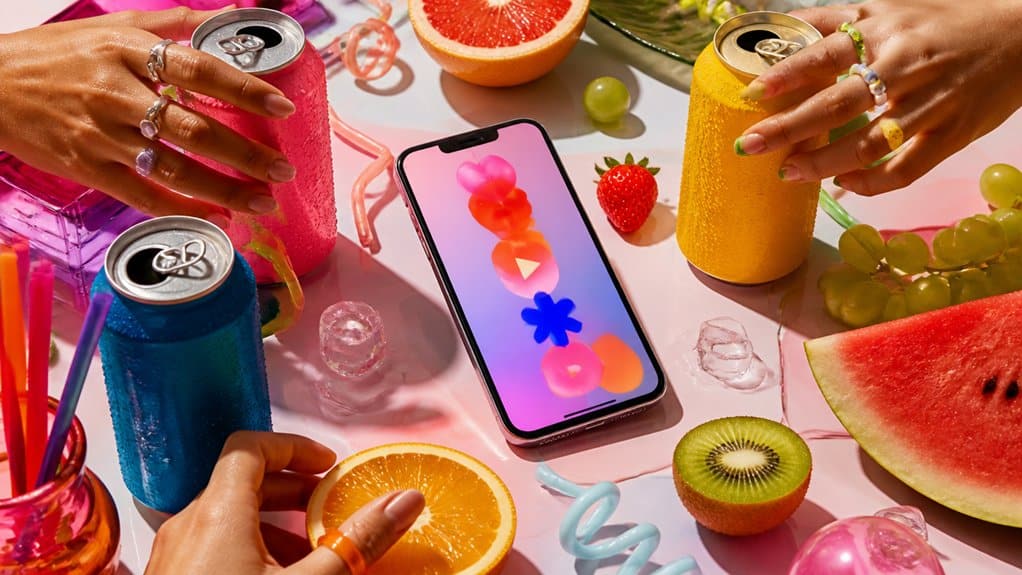
You can monetize TikTok drink trends by pairing customizable flavors with camera-ready packaging and creator-led demos that make buying easy. Give Gen Z modular options, distinctive colors, and remixable challenges, then choose trends that match your brand’s values and audience. Link shoppable videos to fast mobile pages, and reward original participation with transparent incentives. Track saves, shares, attributed orders, and repeat purchases to separate viral spikes from lasting demand. The sections ahead show how to build that momentum.
How TikTok Beverage Trends Take Off
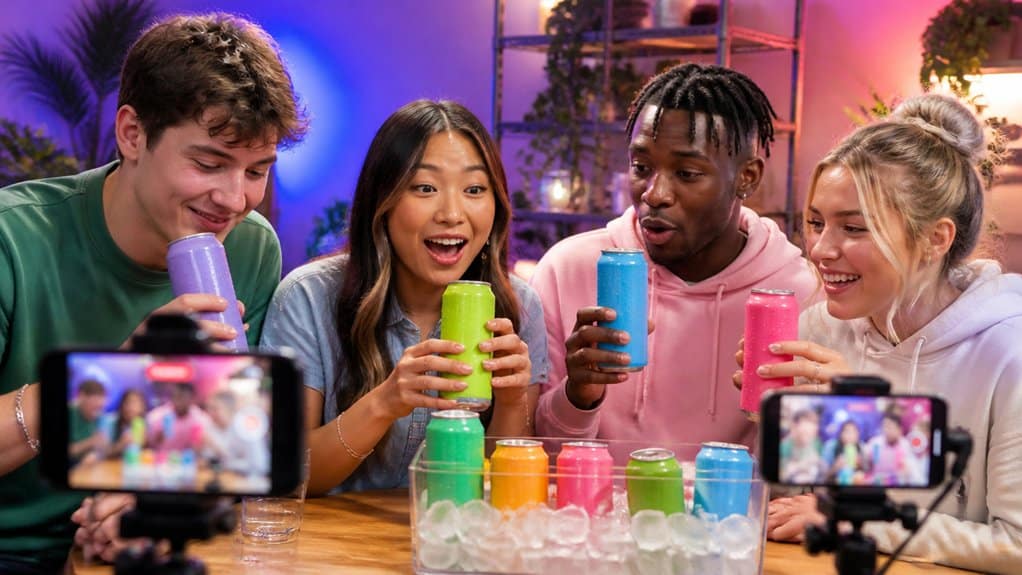
TikTok beverage trends often take off when a visually striking drink pairs a simple recipe with an easy-to-copy format. You can see momentum build as creators demonstrate color shifts, layered pours, unusual toppings, or quick customizations in short, repeatable clips.
These formats lower the barrier to participation: viewers can recreate the drink, add a variation, and publish their own version. Cultural influences shape which ingredients and presentation cues gain traction, while flavor experimentation gives creators fresh combinations to showcase.
Easy-to-recreate drinks invite personal twists, while cultural influences and bold flavors inspire fresh variations.
For brands, the signal isn’t just view count; it’s the pace of remixes, saves, and recipe adaptations. You can use those signals to identify emerging formats, test limited-run concepts, and refine product storytelling.
When a trend travels beyond one creator, accessible ingredients and clear steps help it sustain attention.
What Gen Z Looks for in Viral Drinks
For Gen Z, a viral drink needs more than a striking look: it should feel personal, easy to customize, and worth sharing. You’ll capture attention when flavor delivers a clear point of difference, from unexpected pairings to layered sweetness, tartness, or texture. Flavor innovation matters, but balance keeps novelty enjoyable beyond the first sip.
Offer modular choices—such as adjustable syrups, toppings, or milk alternatives—so customers can make the drink their own and show that variation on camera.
Visual appeal still counts: vivid colors, distinct layers, and recognizable presentation help a beverage read quickly in short-form video. Yet social engagement depends on participation, not aesthetics alone.
Give customers a simple prompt, remixable customization, or memorable name they can use in posts. When taste, personalization, and shareability align, your drink can earn repeat orders as well as views.
How to Choose Trends That Fit Your Brand
Choose TikTok trends that reinforce your brand’s values, not just its visual identity.
Prioritize formats and flavors that match your audience’s preferences and purchase behavior.
When a trend fits both, you’ll build relevance without diluting your positioning.
Align Trends With Values
When a TikTok trend takes off, beverage brands should assess whether its tone, audience, and cultural context align with their values before joining in. Check the trend’s origin, creators, and underlying message; a format’s popularity doesn’t make every execution appropriate.
Cultural authenticity means you understand the context and credit the people who shaped the trend, rather than borrowing its visual cues without substance. Apply Ethical branding standards to claims, partnerships, and product placement, especially when a trend touches health, identity, or sustainability.
Then map the concept against your brand purpose, sourcing commitments, and established voice. If the fit feels forced, skip it or adapt the format without diluting its meaning.
A values-led response protects credibility and helps your team move quickly when a genuinely aligned trend emerges.
Prioritize Audience Relevance
A trend’s popularity matters less than whether it resonates with your target audience. Before you build a TikTok activation around a flavor, format, or sound, check audience data: comments, saves, shares, search behavior, and creator engagement can reveal genuine demand.
Segment signals by age, region, and consumption occasion so you don’t mistake a broad viral spike for relevance among your buyers.
Cultural influences shape what feels timely, from regional flavor preferences to evolving rituals around energy, hydration, and moderation. Use social listening and creator feedback to understand those shifts, then connect them to your brand’s positioning.
Beverage innovation should answer a real audience need—not simply reproduce a trending drink. Test concepts with small creator partnerships, track completion and conversion rates, and scale only when performance and brand fit align.
How to Make Beverage Packaging Pop on Camera
To make beverage packaging stand out in TikTok videos, design for the camera as deliberately as you design for the shelf. Use Color psychology to build instant recognition: saturated hues, high contrast, and a distinctive accent can hold attention in fast-scrolling feeds.
Design beverage packaging for the camera as carefully as the shelf, using bold color and contrast to capture attention and build recognition.
Check colors under varied lighting and on common phone screens; subtle tones may disappear or shift on camera.
Prioritize legible branding, simple graphics, and a clear focal point, especially in close-ups and quick shifts. Matte finishes can reduce glare, while metallic details or controlled gloss can create movement when viewers tilt the package.
Test packaging innovation in real creator-style clips, not just studio renders. Assess readability at thumbnail size, label visibility in hand, and how the container looks beside ice or condensation.
Design for easy gripping and opening, so the product stays camera-ready during pours and unboxings.
How to Choose TikTok Creators for Your Brand
Choose TikTok creators for audience fit and creative credibility, not follower count alone. Check whether their viewers match your target age, region, interests, and purchase context.
Use audience analytics to assess reach quality, watch time, saves, and comment relevance—not just likes.
Review recent posts for Content consistency: a creator’s tone, cadence, and visual style should support your beverage positioning without making every video feel like an ad.
Influencer authenticity matters, especially as Gen Z spots scripted endorsements quickly. Look for clear product opinions, natural brand integration, and a track record of disclosing partnerships.
Evaluate category conflicts, brand safety, and past campaign performance before you commit.
Then set measurable goals, usage rights, and deliverables upfront, while leaving creators room to adapt your brief to TikTok’s evolving formats and audience norms.
How to Turn Drink Challenges Into Participation
Design a drink challenge around a simple, repeatable action that fits TikTok’s short-form format and lowers the barrier to entry.
Give participants a clear prompt, branded hashtag, and flexible creative cues so they can put their own spin on it.
Reward standout entries with incentives that recognize creativity and encourage continued participation.
Design Easy Drink Challenges
When a drink challenge takes more effort to understand or film than to enjoy, participation drops. Build your TikTok prompt around one visible action: layer two colors, mix a surprising pairing, or reveal a flavor shift. Keep the setup intuitive, the ingredients accessible, and the result clear on camera; viewers should grasp the format within seconds and recreate it with minimal editing.
Use Flavor fusion to connect the challenge to current taste trends, such as sweet-heat combinations or familiar flavors with a novel twist. Packaging innovation can make the action easier to film: clear bottles show color changes, while distinctive caps or labels help anchor the shot.
Test the prompt on mobile before launch, checking lighting, pour speed, and framing. A simple, repeatable mechanic lowers friction, supports user-generated content, and gives your brand a consistent visual cue across creator videos.
Reward Creative Participation
A simple challenge earns attention; meaningful rewards turn that attention into participation. Offer incentives that recognize originality, not just view counts: feature standout recipes, duet creators, or provide product drops to contributors. These rewards give you reusable content while signaling that audience ideas shape the brand.
Set clear entry criteria, disclose eligibility, and track submissions, saves, shares, and completion rates. A tiered reward structure can encourage both first-time entries and sustained creative collaboration without making participation feel pay-to-play.
Invite creators to adapt the format, ingredients, or presentation; rigid scripts can weaken trend authenticity and discourage remixes.
Before launch, confirm usage rights and moderation rules, then credit creators consistently. Review performance by audience segment and creative format, not reach alone.
When you reward useful contributions transparently, you turn a drink challenge into an iterative community engine.
How to Turn TikTok Views Into Beverage Sales
TikTok views convert to beverage sales when brands connect discovery to a frictionless purchase path. Pair creator-led demos with shoppable videos, product tags, and a clear call to action, so viewers can move from craving to checkout without leaving the platform.
If native commerce isn’t available, route them to a mobile landing page with fast load times, concise product details, and prominent retailer links.
Make the product easy to recognize across every touchpoint. Flavor innovation gives you a distinctive hook for trend-driven content, while Packaging design helps your can or bottle stand out in crowded feeds and store aisles.
Match the featured flavor, visual identity, and offer across video, product page, and retail listing. Use limited drops or bundles to create timely purchase incentives, and coordinate inventory and fulfillment before a creator post goes live.
Track campaign-attributed orders to optimize creative and conversion paths.
How to Measure Repeat Buys From TikTok Trends
After tracking campaign-attributed orders, measure whether trend-driven discovery leads to another purchase. Link TikTok exposure to customer profiles through consented loyalty accounts, unique codes, or post-purchase surveys. Then compare 30-, 60-, and 90-day repurchase rates for trend-acquired buyers against your baseline and other acquisition cohorts.
Track time to second order, repeat frequency, average order value, and product mix. Separate one-time novelty purchases from sustained demand by flavor, format, and campaign. If a viral drink spikes trial but churns quickly, adjust inventory and creative before the next trend cycle.
Use cohort dashboards to connect Brand engagement—saves, comments, creator interactions, and UGC—with subsequent transactions, not just views. Monitor Customer loyalty alongside repeat rate, and test retention offers against holdout groups. You’ll learn which trends build durable beverage habits and which only generate short-lived buzz.
Frequently Asked Questions
How Can Beverage Brands Protect Their Trademarks When Launching Tiktok-Inspired Drinks?
You can protect trademarks by clearing names, logos, and packaging before launch, then registering key marks and monitoring misuse. Use written creator agreements, define Brand collaboration rights, and preserve Trend authenticity without copying others’ protected branding.
What Food Safety Rules Apply to Limited-Edition Beverages Promoted on Tiktok?
You must meet applicable food-safety laws: verify ingredient sourcing, control hazards, document traceability, and substantiate labels and claims. Guarantee packaging design protects product integrity, communicates allergens, and supports required storage instructions, even during rapid TikTok-driven launches.
How Should Brands Handle Misleading Health Claims in Viral Drink Marketing?
Honesty is the best policy: correct misleading claims quickly, substantiate every benefit with credible evidence, and disclose limitations. You’ll protect consumers, address Health warnings, and earn trust amid rising Consumer skepticism across viral drink campaigns.
What Sustainability Concerns Arise From Producing Short-Lived Beverage Trends?
Short-lived beverage trends increase packaging waste, ingredient sourcing pressure, and emissions from production, transport, and unsold inventory. You can reduce Environmental impact through recyclable formats, demand forecasting, and transparent sourcing; build Consumer awareness by communicating lifecycle trade-offs clearly.
How Can Beverage Brands Respond to Backlash Over Cultural Appropriation?
You can turn backlash into a bridge by listening first: practice Cultural sensitivity, consult and compensate source communities, acknowledge missteps promptly, and build Authentic brand engagement through sustained partnerships, transparent sourcing, and culturally informed creative reviews.
Leave a Reply