
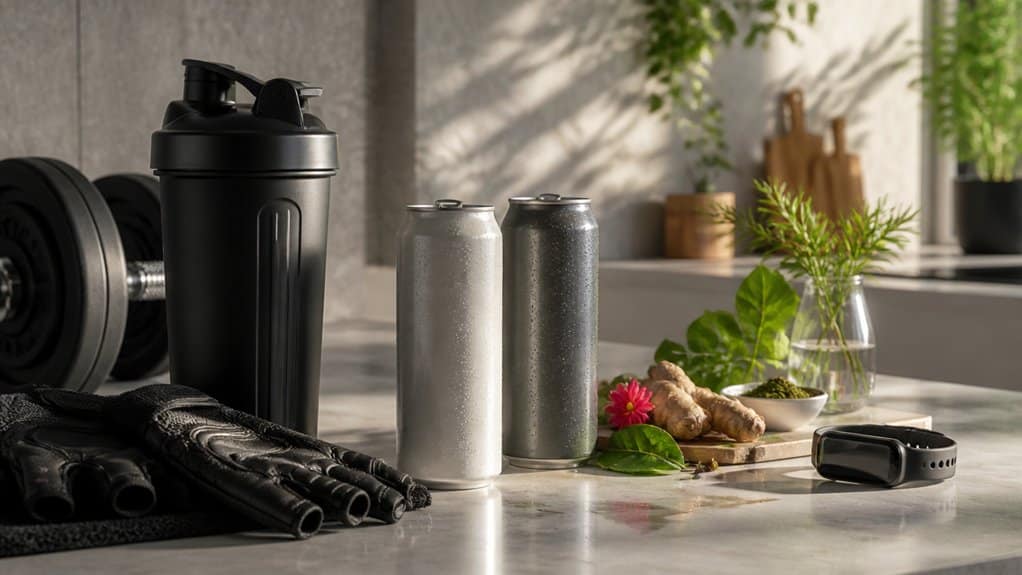
Functional beverages evolved from sports drinks designed to replace fluids, electrolytes, and carbohydrates during exercise into targeted tools for everyday routines. You can now choose products formulated for focus, energy, calm, sleep, or gut health, using ingredients such as caffeine, botanicals, magnesium, probiotics, and prebiotic fiber. Clearer labels and portable formats help you match serving sizes to specific goals, though evidence, dose, bioavailability, and safety still matter. The sections ahead explain how to assess these drinks.
What Counts as a Functional Beverage?
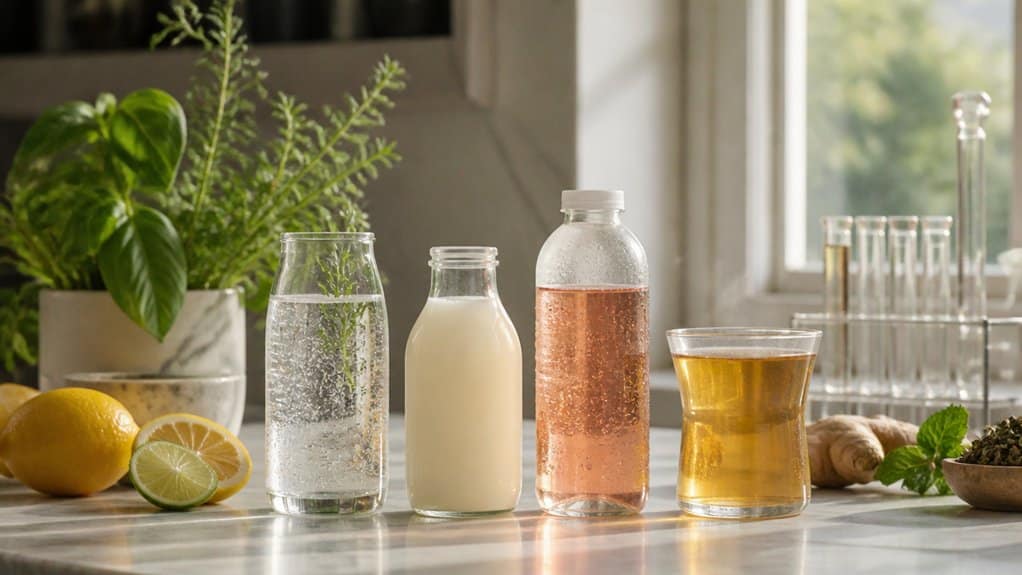
A functional beverage delivers a measurable benefit beyond basic hydration or nutrition through added ingredients such as caffeine, electrolytes, probiotics, or adaptogens. To classify a drink, examine its active compounds, intended physiological effect, and evidence supporting that effect.
You’ll find products designed to support alertness, digestive function, recovery, or stress response, but a label’s claim doesn’t prove efficacy. Check ingredient dose, bioavailability, and interactions; amounts below studied levels may not deliver the advertised outcome.
Manufacturers also manage stability, taste, and regulatory requirements, since sensitive compounds can degrade during processing or storage. Flavor profiles help make these formulations palatable without obscuring functional ingredients.
Evaluate ingredient sourcing for identity, purity, traceability, and contaminant controls. A beverage qualifies by its formulation and substantiated purpose, not by wellness branding or packaging alone.
How Sports Drinks Started the Trend
As sports participation grew in the 20th century, drink makers began formulating beverages to replace fluids and electrolytes lost through sweat and supply readily available carbohydrates during prolonged exercise. You encountered a purposeful formula: water for hydration, sodium and other electrolytes for replacement, and sugars for fuel.
Early sports drinks drew scientific attention by linking composition to measurable needs during sustained exertion, while commercial brands translated that research into convenient, standardized products.
Sports drinks paired measurable athletic needs with research-informed formulas, then brought them to consumers in convenient, standardized products.
Their development established a practical model for functional beverages: identify a physiological demand, select ingredients with defined roles, and deliver them in a palatable format. Manufacturers refined carbohydrate concentration and electrolyte balance to support intake without making drinks excessively concentrated.
Herbal infusions and Fermentation trends belong to different formulation conversations, but sports drinks showed you how beverage design could target specific functions with evidence-informed ingredients.
Why Functional Beverages Moved Beyond Sports
You’re no longer choosing functional beverages only to support workouts; you may use them to address everyday wellness goals. Formulations now target broader benefits, including hydration, digestive health, and focus, with ingredients selected for specific physiological effects.
Ready-to-drink formats fit conveniently into daily routines, extending use beyond the gym.
Everyday Wellness Goals
Once associated mainly with training and recovery, functional beverages now target everyday wellness goals such as hydration, digestive health, focus, and stress management. You can choose products designed for routine use, not just workouts, as brands position them around specific daily occasions: a morning drink for alertness, a meal companion for digestive comfort, or an afternoon option for hydration.
Formulators use measured amounts of electrolytes, fiber, caffeine, and botanical ingredients to support these aims, while recognizing that effects depend on dose, formulation, and individual response. Herbal infusions offer familiar formats for consumers seeking lower-caffeine choices, and flavor innovations help make repeated consumption appealing without relying solely on sweetness.
Clear labeling lets you assess active ingredients and serving sizes. This everyday framing broadens beverage use by linking product choice to practical, recurring wellness needs.
Broader Functional Benefits
Functional beverages moved beyond sports as ingredient research and consumer demand expanded their role from workout support to targeted health functions. You can now find formulations aimed at hydration, digestive health, cognitive performance, sleep, and immune support.
Manufacturers select ingredients such as electrolytes, prebiotic fibers, caffeine, and adaptogens to address distinct physiological pathways, though evidence varies by ingredient and claim.
This diversification reflects changing Cultural perceptions: consumers increasingly view beverages as vehicles for specific wellness outcomes, not just athletic fuel.
Market expansion has followed, bringing products into categories such as sparkling water, tea, and nutrition drinks.
For you, the key distinction is formulation quality: check active-ingredient amounts, study support, and regulatory claims. A benefit-focused label doesn’t guarantee a meaningful dose or proven effect, so assess each product against credible evidence and your needs.
Convenient Daily Routines
As wellness goals broadened, functional beverages fit more easily into daily routines than traditional sports products. You can use a ready-to-drink protein shake at breakfast, a probiotic beverage with lunch, or a low-sugar electrolyte drink during a commute—not only around workouts. This shift reflects demand for products that address hydration, digestion, focus, or sleep within familiar consumption occasions.
Formulations also support precise dosing, while clear labels help you assess active ingredients, serving sizes, and evidence behind claims.
Personalization options let you select formats, flavors, and ingredient combinations that align with your preferences and tolerance. Yet convenience doesn’t remove the need to compare caffeine levels, added sugars, or ingredient interactions.
Sustainability considerations matter, too: packaging, sourcing, and cold-chain requirements affect a product’s footprint. When you choose deliberately, functional drinks can complement everyday habits without replacing varied nutrition or medical care.
How Biohacking Changed Everyday Drinking
Biohacking has shifted functional drinks from workout aids to tools for managing daily routines. You can now choose beverages to support hydration, digestion, or recovery according to your needs, rather than treating them as occasional supplements.
This change reflects Personalization trends: brands offer targeted formulations, while you can match ingredients and serving sizes to your habits and tolerances.
Ingredient transparency helps you make those choices with greater rigor. Clear labels disclose active compounds, amounts per serving, and potential allergens, letting you compare products and avoid unsupported claims.
You can also track how a beverage fits into your routine and assess its effects over time, though individual responses vary. For reliable decisions, check evidence quality, dosage, and interactions with medications.
Biohacking has made everyday drinking more intentional: you evaluate a drink as a measurable input, not merely a flavor or convenience.
Functional Drinks for Focus and Energy
When you need sustained attention, drinks marketed for focus and energy often combine caffeine with ingredients such as L-theanine, B vitamins, or adaptogens. Caffeine can increase alertness by blocking adenosine receptors, while L-theanine may moderate stimulation; evidence for adaptogens varies by ingredient and dose.
Focus drinks pair caffeine with ingredients like L-theanine or adaptogens, but benefits vary by ingredient, dose, and individual response.
Check the label: total caffeine, serving size, and added sugars determine how a product fits your routine. B vitamins support normal energy metabolism, but they won’t reliably boost energy if you aren’t deficient.
For brands, precise formulation must pair with clear claims and transparent dosing. Flavor innovation can make botanical or low-sugar formulas more appealing without obscuring their composition.
Branding strategies increasingly position these drinks as workday tools, not just workout fuel. You’ll get the most useful comparison by evaluating evidence, ingredients, and your own caffeine tolerance.
Drinks for Calm, Sleep, and Gut Health
For calm and sleep, functional drinks may contain ingredients such as magnesium, melatonin, or L-theanine, but effects depend on dose, formulation, and individual response. If you use these products, check serving sizes and consider medication interactions; melatonin can affect sleep timing, while evidence for other ingredients varies.
Herbal infusions, including chamomile or lemon balm, offer another route, though their effects aren’t guaranteed and product strength can differ.
For gut health, you’ll find drinks featuring live cultures, prebiotic fibers, or both. Fermentation techniques can produce beverages with beneficial microbes, but strains and viable counts matter: a fermented label alone doesn’t establish a probiotic benefit. Storage and processing can also affect survival.
Choose products with clear ingredient and culture information, and track how your digestion responds. If symptoms persist, consult a qualified clinician rather than relying on beverages as treatment.
How Ingredients and Formats Have Changed
As functional beverages have moved beyond sports nutrition, their ingredient lists have expanded from familiar electrolytes and protein to botanicals, adaptogens, nootropics, and targeted micronutrients. You’ll now find formulas aimed at specific outcomes, such as focus or digestive support, often pairing ingredients with complementary mechanisms.
Herbal infusions deliver plant compounds in familiar tea formats, while Fermented tonics use microbial cultures and organic acids to create distinctive flavors and functional profiles.
Product formats have diversified, too. You can choose sparkling waters, concentrated shots, powders, ready-to-drink cans, and low-sugar blends designed for different routines. Advances in flavor masking and ingredient stabilization help manufacturers incorporate sensitive compounds without sacrificing shelf life or palatability.
This shift turns functional drinks from workout-specific replenishment into versatile, occasion-based products that fit everyday habits and evolving consumer preferences.
What to Check Before Drinking Daily
Before making a functional beverage part of your daily routine, check its full ingredient list, serving size, and total intake from other sources. Add up caffeine, vitamins, minerals, sweeteners, and botanicals across drinks, supplements, and foods; overlapping doses can exceed recommended limits or interact with medications. Check whether ingredient amounts appear on the label, not just in a proprietary blend, and look for third-party testing when quality or contaminant control matters.
Consider your health conditions, pregnancy status, and medication use, and ask a clinician or pharmacist about relevant risks. Track how you respond, especially to stimulants or ingredients with limited long-term evidence.
Flavor innovations can mask bitterness, but sweetness and acidity still affect sugar intake and dental health.
Finally, assess packaging sustainability: recyclable materials and clear disposal guidance matter, though local recycling systems determine actual recovery.
Frequently Asked Questions
Can Functional Beverages Replace a Balanced Diet?
No—functional beverages can’t replace a balanced diet. Your body needs diverse foods for nutritional adequacy; dietary supplements may address specific gaps, but drinks often lack essential nutrients. Globally, 2.8 billion people couldn’t afford healthy diets in 2022.
Are Functional Beverages Safe for Children?
Functional beverages aren’t automatically safe for children. Check ingredients, caffeine, sugar, and age guidance with your pediatrician; Pediatric hydration usually needs water. Children’s immune claims don’t guarantee benefits, and supplements may interact with medications or cause harm.
Do Functional Beverages Interact With Prescription Medications?
Yes, they can. Don’t leave it to chance: ingredients like caffeine, botanicals, and minerals may cause drug interactions or alter medication efficacy. Check labels, and ask your pharmacist before combining functional beverages with prescriptions.
How Should Functional Beverages Be Stored After Opening?
Refrigerate opened functional beverages promptly, following label instructions; use clean, tightly sealed storage containers to limit contamination and oxidation. Check the stated shelf life, and discard drinks showing unusual odor, appearance, or texture.
Are Functional Beverages Covered by Health Insurance?
Your wallet usually won’t find shelter: Insurance coverage for functional beverages is uncommon. Your health policy generally treats them as food, not medicine; you’ll need explicit plan benefits or clinician-prescribed, eligible products for reimbursement.
Leave a Reply