
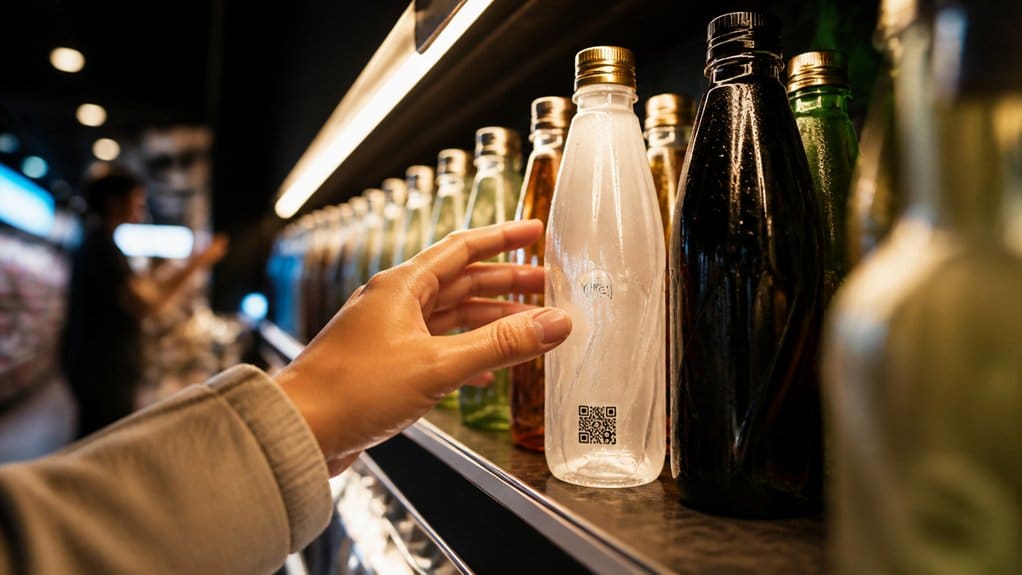
Smart packaging turns your bottles into measurable digital touchpoints, linking each drink to verified product details, sourcing stories, recycling guidance, and rewards. QR codes, NFC, and sensors can strengthen trust, simplify interactions, and encourage repeat purchases while providing data on engagement and redemption. The advantage depends on matching technology to product needs, controlling costs, and protecting customer privacy. When you measure sustained purchasing lift—not just scans—you can see where connected packaging earns loyalty and where your strategy can improve.
What Smart Packaging Means for Drink Brands
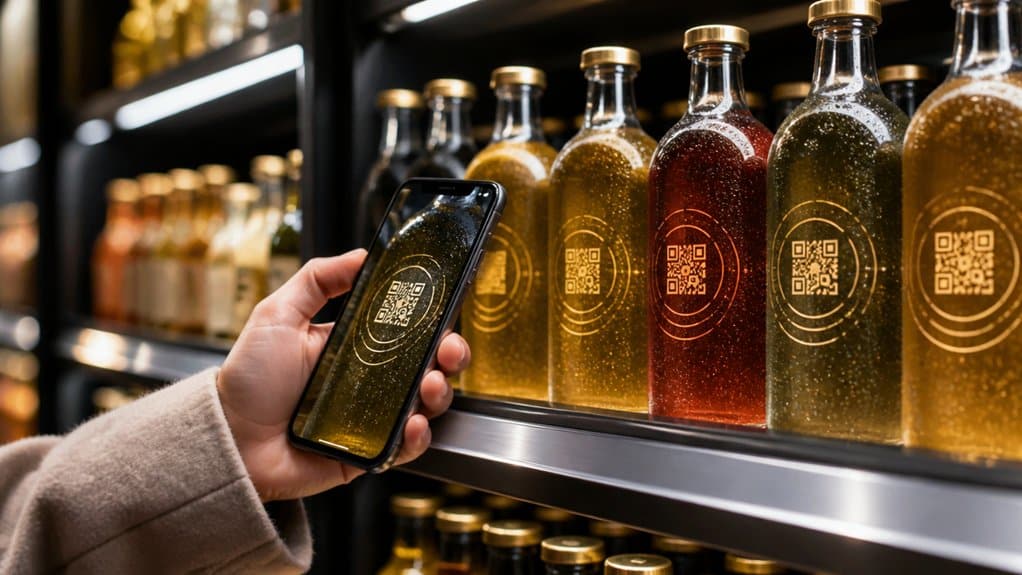
Smart packaging combines connected labels, sensors, or scannable codes with a drink’s physical package to deliver information or enable interactions beyond basic product identification.
Smart packaging connects physical drink containers with digital tools to share information and create useful customer interactions.
For your brand, it turns packaging into a digital touchpoint that can communicate provenance, ingredients, freshness, or campaign content. You can use these interactions to give customers useful information at the moment of purchase or consumption, while capturing permission-based signals about their interests and behavior.
This approach makes packaging part of your loyalty strategy, not just a container or visual asset. Innovative design must connect the physical format with a clear digital purpose; otherwise, added features may create cost without value.
Consumer engagement depends on relevance, ease of access, and consistent brand messaging. When you align those elements, you can strengthen trust, differentiate your drink, and build repeat interactions across the customer journey.
Which Smart Packaging Technology Fits Your Product?
Choosing the right smart packaging technology depends on your product’s format, use conditions, and the customer action you want to enable.
For refrigerated drinks, time-temperature indicators can reveal exposure that compromises quality.
For products sensitive to light or oxygen, freshness indicators can help you assess whether barrier performance meets shelf-life targets.
If you need to verify authenticity or monitor distribution, tamper-evident features and connected sensors may offer greater operational value.
Match each option to your filling line, material compatibility, unit economics, and recycling requirements.
Innovative materials can support sensing or protection, but they must withstand processing and storage without affecting taste or safety.
Consider ergonomic design, too: closures, grips, and opening cues should work for your intended users.
Pilot the format under real conditions, then compare performance, cost, and customer usability before scaling.
How QR Codes Make Bottles Brand Touchpoints
QR codes turn your bottle into a measurable digital entry point, letting you scan to access product details, provenance, or usage guidance.
You can connect beyond the shelf through linked content and first-party data that informs engagement strategies.
With each scan, you can deliver relevant rewards and track interaction across the customer journey.
Scan to Discover
A bottle can extend a brand interaction beyond the shelf when its QR code links consumers to useful, timely content. For you, the scan turns packaging into a measurable media channel, not just a container.
Direct customers to ingredient sourcing, nutrition details, serving guidance, or batch-specific provenance, and give them a clear reason to engage. This innovative branding works best when the destination loads quickly, reads well on mobile, and delivers information relevant to the drink in hand.
You can use scan rates, repeat visits, and content interactions to assess consumer engagement and refine messaging. Keep the experience focused: explain the product, answer likely questions, and make claims easy to verify.
A well-designed QR journey strengthens trust at the point of choice while helping you distinguish your bottle in a crowded category.
Connect Beyond the Shelf
When a consumer scans a bottle, the interaction can continue well beyond purchase, turning packaging into a persistent brand touchpoint. You can use QR codes to connect each package with product guidance, sourcing data, brand stories, and updates that remain accessible after the shelf encounter.
This digital layer gives you a measurable channel for communicating across the product lifecycle, while scan analytics can reveal which information earns attention and where customers engage. Integrate these links with your content systems so teams can keep details accurate and relevant without changing printed labels.
Sustainable design also benefits: a compact code can replace some on-pack copy and direct consumers to fuller disclosures. With consistent, useful content, you can reinforce emotional branding through transparency and a recognizable voice, extending the relationship without relying on the physical bottle alone.
Reward Every Interaction
By linking each scan to a clear benefit, you can turn a bottle into a repeatable brand touchpoint rather than a one-time information channel. QR codes can deliver points, limited offers, refill reminders, or access to product-specific content, giving you measurable reasons to engage after purchase.
Connect each reward to a customer account or loyalty platform, and you can track scan frequency, redemption, and repeat buying while refining campaign performance. Use these signals to tailor incentives without making participation feel intrusive.
A bottle can also communicate Packaging sustainability through verified sourcing or recycling guidance, while Brand storytelling can explain ingredients, production choices, and local partnerships. Keep pages fast, accessible, and consistent with the label.
When you reward useful interactions, you strengthen loyalty and gain actionable data across the product lifecycle.
Build Trust With Ingredient and Sourcing Stories
Ingredient and sourcing stories build trust when smart packaging makes them specific and verifiable. With a QR code or NFC tag, you can connect each drink to structured product data, not just broad marketing claims.
Show ingredient transparency through origin details, processing methods, certifications, and clear explanations of functional ingredients. Then link sourcing stories to named farms, regions, or suppliers, with dates and traceable batch records where available.
This level of disclosure helps you answer consumer questions while giving retailers and regulators consistent information to assess. Keep claims aligned with verified records, and update digital content when formulations or suppliers change.
You’ll reduce ambiguity, strengthen credibility at the point of choice, and give customers evidence they can revisit. Smart packaging turns trust from a slogan into an auditable brand experience for every purchase.
Make Drink Packaging Easier to Recycle
Smart packaging can make drink containers easier to recycle by giving consumers clear, material-specific disposal instructions at the point of use. QR codes and digital labels can identify components, explain local sorting rules, and flag parts consumers should separate, such as caps or sleeves. You’ll reduce confusion when instructions match the package’s actual material composition and local recycling infrastructure.
For your brand, Eco friendly materials work best when paired with design innovation that supports established recovery streams. Use mono-material formats where feasible, minimize inks and adhesives, and make labels removable without contaminating the container.
Smart packaging data can also help you track consumer questions and disposal outcomes, revealing where guidance or package specifications need adjustment. By aligning material choices, labeling, and collection realities, you’ll make recycling more practical and strengthen confidence in your packaging decisions.
Give Customers a Reason to Return With Rewards
When customers return reusable drink containers, rewards can turn a one-time sustainability action into a repeat purchase habit. Smart packaging can verify returns through QR codes, NFC tags, or deposit kiosks, linking each transaction to a clear incentive. You can offer points, discounts, or store credit, then measure redemption rates against return frequency and repeat purchases. This data helps you assess whether rewards offset collection and cleaning costs while supporting container circulation.
Effective Loyalty programs make the value exchange easy to understand: customers return a container, and you recognize the action promptly. Connected packaging can confirm eligibility and update balances at the point of return, reducing friction and disputes.
Strong Customer engagement depends on reliable fulfillment, not just attractive offers. Set transparent terms, track participation across channels, and adjust reward thresholds based on observed behavior. That gives you a measurable retention mechanism alongside reuse operations.
Personalize Smart Packaging Without Losing Trust
Personalized packaging can strengthen drink brand loyalty when it uses customer data transparently and with consent. You can connect QR codes, NFC tags, or account-linked scans to preferences customers choose to share, such as flavor interests or purchase frequency. These Personalization strategies should deliver relevant content, not infer sensitive traits or expose identifiable data.
Trust building techniques start with clear notices that explain what you collect, why you collect it, and how long you retain it. Let customers opt in, change preferences, and delete their data through accessible controls.
Use encryption, access limits, and privacy reviews to reduce exposure across packaging platforms and marketing systems. When you measure engagement, aggregate or de-identify records where possible.
You’ll earn stronger participation when customers can see the value, understand the data exchange, and remain in control throughout each interaction.
Balance Smart Packaging Features With Costs
To balance smart packaging features with costs, compare each option’s total cost of ownership with its measurable contribution to loyalty, repeat purchases, or operational efficiency. Include tag or label production, integration, line changes, software, and ongoing support in your Cost considerations.
Then pilot features such as QR codes, NFC tags, or freshness indicators across representative products and channels. Track scan rates, conversion, repeat buying, and service savings against a defined baseline; don’t treat engagement alone as proof of return.
Consumer perception also affects value: a premium feature may strengthen quality cues, while an intrusive or unreliable one can weaken them. Choose scalable components that fit your packaging materials and production speeds.
You’ll protect margins by reserving higher-cost features for products or markets where measured results justify deployment, then reviewing performance as volumes and supplier pricing change.
Protect Customer Data and Keep Interactions Simple
Protect customer data by limiting collection, securing storage, and defining retention periods.
Request clear consent before tracking or using personal information, and explain its purpose.
Keep QR-code and app interactions simple so you can reduce friction and strengthen trust.
Safeguard Personal Data
As smart packaging connects drink brands with customers through scans, apps, and loyalty programs, each interaction can generate personal data that requires careful handling. To protect Personal privacy, you should collect only the information needed to deliver a defined service, such as rewards or product support.
Limit access by role, encrypt data in transit and at rest, and set retention periods that remove records once their operational value ends. Strong Data security also depends on vendor controls: assess app providers, analytics platforms, and cloud systems for vulnerabilities, breach response, and data handling practices.
Keep interactions simple by minimizing required fields and avoiding unnecessary account creation. Clear data maps and routine audits help you trace information across packaging, digital channels, and partners, reducing exposure while preserving useful loyalty insights and reliable customer experiences.
Request Clear Consent
Before collecting data through a scan, app, or loyalty program, explain what you’ll collect, why you need it, and how you’ll use it. Name the data categories, such as purchase history or location, and distinguish required fields from optional ones.
Link each purpose to a specific use, including personalized offers, product research, or recycling initiatives.
Ask for affirmative consent before processing personal data; don’t treat continued use or preselected boxes as permission. Give you a clear way to withdraw consent and update preferences, and record consent status, timestamp, and notice version for auditability.
If you share data with partners, identify them and explain their role. Avoid bundling unrelated permissions.
This transparency helps you assess consumer engagement without overcollection and connect sustainability programs to Environmental impact measures responsibly.
Simplify Digital Interactions
When customers scan smart packaging, each extra step can weaken engagement, so design digital interactions around a clear task and minimal data collection.
Give customers immediate access to useful content, such as product details, recycling guidance, or a loyalty offer, without forcing account creation.
Use progressive disclosure to keep the first screen focused, and make navigation accessible across devices and connection speeds.
Protect customer data by collecting only what the interaction requires, securing it in transit and at rest, and stating retention practices plainly.
Don’t request personal information for anonymous features.
Packaging design should connect physical cues to consistent digital journeys, while Sustainability initiatives can link scans to verified sourcing or disposal information.
Measure completion rates, drop-offs, and consent choices; use those signals to remove friction, not expand tracking.
A simpler experience builds trust and repeat engagement.
Measure Whether Smart Packaging Drives Repeat Purchases
To determine whether smart packaging strengthens drink brand loyalty, isolate its effect on repeat purchases from other marketing and product factors. Compare matched customer cohorts exposed to connected packs with controls receiving standard packaging, while holding price, promotion, distribution, and product formulation constant.
Track repurchase rate, time to next purchase, basket share, and customer retention across multiple purchase cycles. Link scans, app activity, and offer redemption can explain how Consumer engagement translates into behavior, but don’t treat interactions as proof of loyalty.
Use randomized tests where feasible, then segment results by channel, customer tenure, and pack format. Packaging innovations create value only when incremental purchases exceed implementation, data, and incentive costs.
Monitor for novelty effects, and validate lift over time against a baseline. If repeat buying rises consistently, you can attribute measurable loyalty gains more confidently.
Frequently Asked Questions
When Did Smart Packaging First Emerge in the Beverage Industry?
Smart beverage packaging first emerged in the 1990s, when digital signals began opening new channels on containers. You’ll see Augmented Reality arrive later, alongside Sustainability Benefits, as brands connect product information, engagement, and lifecycle tracking.
Which Beverage Brands Have Won Awards for Smart Packaging?
You’ll find award-winning smart packaging from Coca-Cola, Diageo, and Carlsberg, recognized for connected experiences and Eco friendly materials. Compare each design’s Consumer engagement features, sustainability metrics, and verified award credentials before selecting benchmarks for your beverage portfolio.
How Does Smart Packaging Differ From Traditional Product Packaging?
Smart packaging turns a container into a connected interface, while traditional packaging mainly protects and presents products. You gain Interactive labeling, real-time data, and Eco friendly materials that support engagement, traceability, and measurable performance.
Can Smart Packaging Work for Beverages Sold in Glass, Cans, and Cartons?
Yes, smart packaging works across glass, cans, and cartons when you select compatible tags, inks, or codes. Innovative materials support integration, while connected experiences strengthen Consumer engagement without compromising recyclability, filling-line performance, or product safety.
What Regulations Govern Smart Packaging Claims in Different Markets?
You’ll navigate market-specific rules: the FTC and FDA govern U.S. advertising and food labeling; EU consumer, food-information, and data-protection laws apply in Europe. Verify marketing claims, privacy practices, and regulatory compliance locally before launch.
Leave a Reply